Share
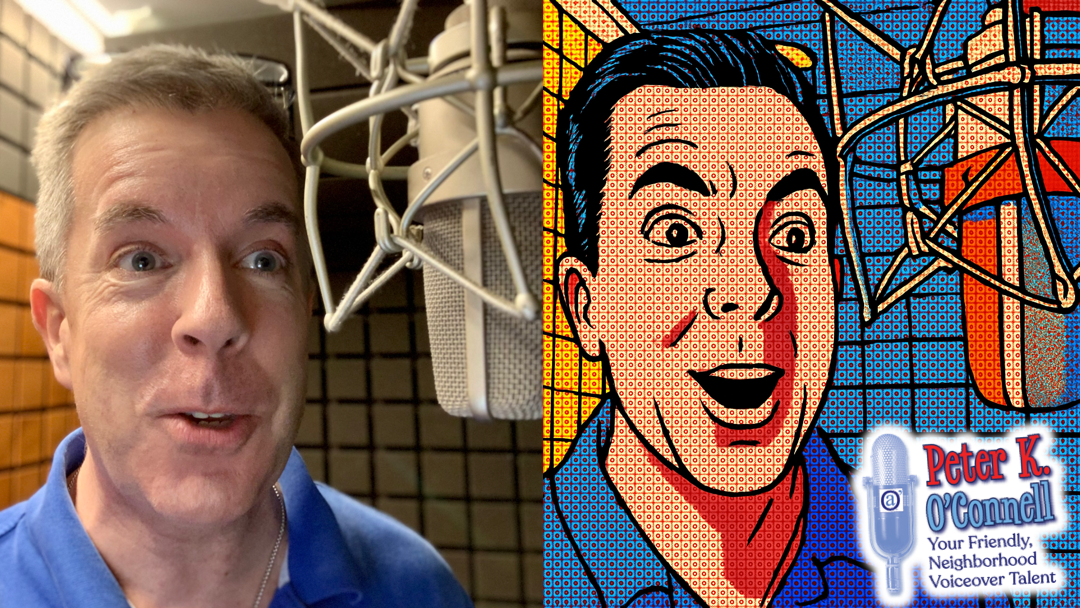
A side by side comparison of the original headshot of voice actor Peter K. O’Connell with the more comic book look of the voice actor.
Let’s be honest—we voice actors are surrounded by talent.
Everywhere you look, there’s another professional with a great voice, solid technique, and impressive voiceover demo.
So here’s the million-dollar question: In a crowded marketplace of exceptional vocal performers, how do you capture the attention of the creative directors, advertising agencies, and commercial producers who could hire you?
The answer isn’t just about perfecting your craft in the voiceover booth (though that’s essential). It’s about embracing your role as a creative marketer.
The Accidental Discovery
I was reminded of my long held truth while mindlessly scrolling through social media—you know, that thing we all do when we should be practicing scripts. A photographer’s self-portrait stopped my thumb mid-scroll. His image used a distinctive halftone dot effect, reminiscent of old newspaper printing techniques like those in the Wall Street Journal. Black and white dots creating dimension and depth—simple, yet arresting.
Naturally, I fell down the rabbit hole of visual effects research. That’s when I encountered the bold, vibrant work of artist Roy Lichtenstein, whose signature pop art style featured Ben-Day dots, thick black outlines, and those iconic comic book aesthetics that dominated the 1960s art scene. The primary colors, the graphic punch, the sheer energy of it—I was hooked.
So I did what any curious voice talent would do: I grabbed one of my headshots (professionally captured by the renowned photographer Sel-fie d’Oconnell—yes, that’s me with my smartphone) and started experimenting with filters and editing tools.
The Result?
Comic Book Peter
The transformation was striking. My standard headshot morphed into something that looked like it belonged in a graphic novel. Was it revolutionary? No. Filters and artistic effects have been around forever, and plenty of performers use them in their marketing materials.
But here’s what matters: I tried something that – for me- was different.
Why Creative Marketing Matters for Voice Actors
Voice actors often think their voice is their only calling card. And yes, your vocal instrument is crucial—whether you’re doing character voice acting for animation, narrating e-learning modules, or delivering that perfect commercial read for a national advertising campaign.
But the creative directors at ad agencies, video producers at production companies, and casting directors at recording studios? They’re visual thinkers. They’re bombarded with demo reels and voiceover submissions every single day. They’re looking for personalities that spark interest, professionals who demonstrate originality not just in their vocal performance, but in how they present themselves.
Think about it: These are the same people who conceptualize innovative campaigns, who push boundaries in storytelling, who live and breathe creativity. They’re naturally drawn to fellow creatives who think outside the conventional box.
 The Permission to Experiment
Here’s your permission slip: Sometimes your marketing experiments will work brilliantly. Sometimes they’ll fall flat. And that’s perfectly okay.
The real mistake isn’t creating something that doesn’t land—it’s never trying at all.
My comic book-style headshot might resonate with some producers who appreciate the playful, bold aesthetic. Others might prefer my traditional professional photo. But by creating both, I’m giving potential clients a glimpse into my personality, my willingness to take risks, and my understanding that voice acting is about more than just sound—it’s about connection and memorability.
Ten Ways to Differentiate Yourself
So how can you, as a voice talent, stand out in this competitive landscape?
- Experiment with Visual Branding: Try fresh approaches to your headshots, website design, or social media presence. Make it reflect your vocal personality.
- Share Your Process: Let casting directors and ad agency creatives see behind the curtain. Show your home recording studio setup, your script preparation, your character development.
- Create Engaging Content: Blog posts, videos, or social media content that showcases your expertise in voiceover work while entertaining and informing.
- Collaborate with Other Creatives: Partner with videographers, animators, or commercial producers on spec projects that demonstrate your versatility.
- Tell Stories: Don’t just list your credentials—share the narrative of interesting projects, challenging character voice acting sessions, or how you solved a client’s problem.
- Embrace New Technology: From AI tools to advanced editing software, show you’re forward-thinking and tech-savvy.
- Develop a Signature Style: Whether it’s your social media voice, your email communications, or your marketing materials, let your personality shine consistently.
- Network Authentically: Engage with advertising agencies, production companies, and fellow voice actors in genuine ways—not just when you need something.
- Stay Current: Understand trends in commercial production, what recording studios are looking for, and how the voiceover industry is evolving.
- Be Willing to Look Silly: Sometimes the most memorable marketing comes from not taking yourself too seriously.
The Bottom Line
We’re fortunate to work in a field that values both technical skill and artistic expression. But in a world where thousands of talented voice actors are competing for the same projects from the same advertising agencies and commercial producers, your creative marketing approach might be exactly what sets you apart.
That experimental headshot, that quirky social media post, that unconventional demo presentation—these aren’t distractions from your voice acting career. They’re essential components of it.
So grab your metaphorical camera (or your actual smartphone), experiment with that filter, try that offbeat marketing idea that’s been bouncing around your head, and see what happens. The creative directors and casting professionals you’re trying to reach?
They’ll appreciate the effort, even if they don’t always say so.
After all, we’re not just voice actors. We’re creative entrepreneurs building distinctive brands in a crowded marketplace. And sometimes, standing out is as simple as being willing to try something new—dots and all.
What creative marketing experiments have you tried in your voiceover career? I’d love to hear about your successes (and spectacular failures) in the comments below.
Tags: marketing, voice talent, voiceover, voiceover advice, voiceover blog by peter k. o'connell, your friendly, neighborhood voice-over talent
Comments Off on Standing Out in a Sea of Sameness: Why Voice Actors Must Think Like Creative Marketers

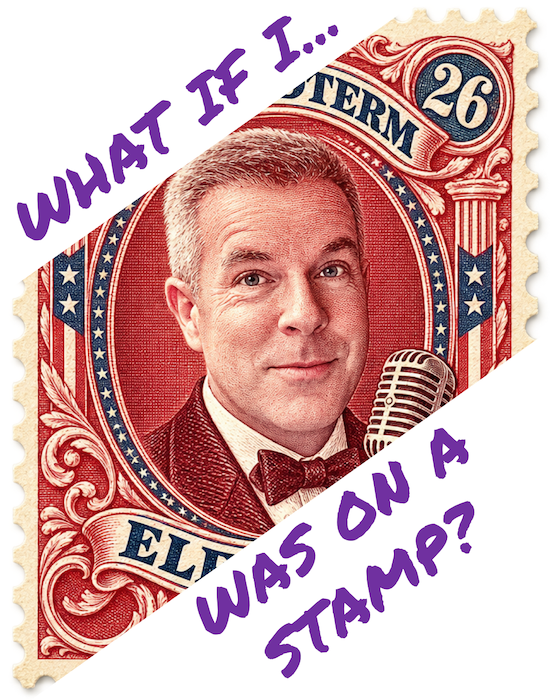
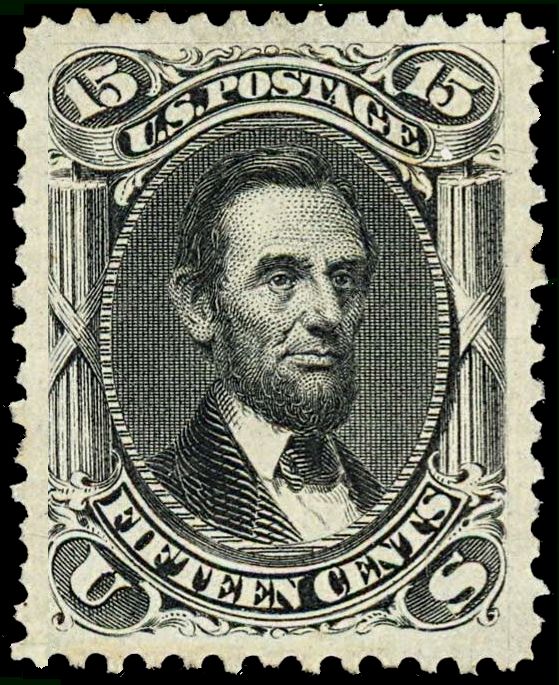 Then I saw an old postage stamp with my pal Abe Lincoln on it. Then I thought ‘what if I created an image of that kind of old time presidential stamp but with picture of me looking kind of old timey.’ All red white and blue but with an 1800’s feel to it.
 Here’s what I expected from Tuesday’s Apex Chamber networking event: coffee, handshakes, maybe a new lead.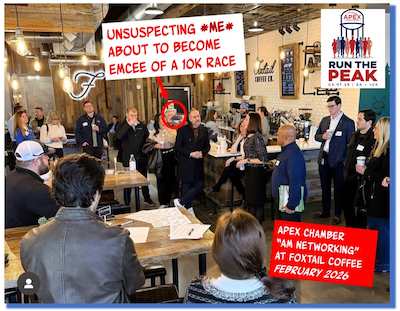
 Yes, I do live announcing, yes I do live emceeing but I DIDN’T wake up and expect *this* on my early morning networking plate.
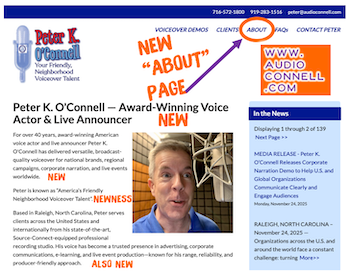 Let me start with a confession that every solopreneur in the voiceover industry will understand: writing about yourself is excruciating.
 Here’s my struggle: how do I mention that I voiced the Maaco “Uh-Oh, Better Get Maaco” campaign without sounding like I’m showing off? How do I talk about being character voices for Kraft Dinner or doing the Crest “Pro-Active Defense” commercials without feeling like a braggart? How do I highlight my corporate narration and live announcing work without coming across as self-important?
 You know your old “About” page is outdated. You’re not doing any (or enough new) SEO copywriting or content creation to improve your organic traffic. But the thought of writing about yourself, of listing your achievements, of including client testimonials makes you deeply uncomfortable.